About Public Schools

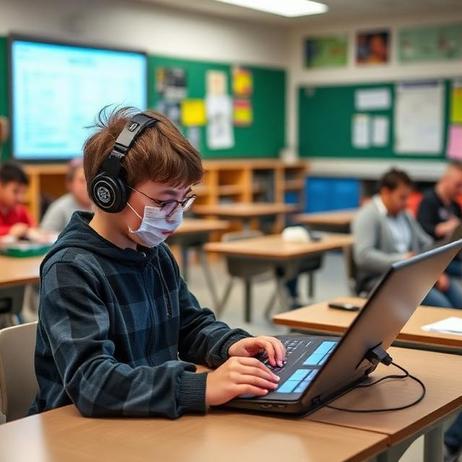
Here we cover the history of public schools, explain the various types and discuss their pros/cons. Learn more about technology on campus, health and nutrition issues, and the latest information related to a variety of student populations.


View the most popular articles in About Public Schools:

Preventing Suicide in Schools: 2026 Guide for Educators

Updated
|
Preventing Suicide in Schools: 2026 Guide for Educators
Learn updated 2026 strategies for preventing suicide in schools, including warning signs, intervention plans, and school-wide mental health support.

Preventing suicide in schools remains one of the most urgent responsibilities facing educators, administrators, and families in 2026. Youth mental health challenges have continued to rise in recent years, with increasing rates of anxiety, depression, and emotional distress among students. Schools are uniquely positioned to identify early warning signs, provide intervention, and create environments where students feel safe seeking help.

This updated guide builds on prior best practices while incorporating current research, policy shifts, and practical strategies schools can implement today.

Understanding the Scope of the Crisis

Youth suicide remains a leading cause of death among adolescents in the United States. According to the Centers for Disease Control and Prevention, suicide is consistently among the top causes of death for individuals aged 10–19.

Several contributing factors have intensified in recent years:

  • Increased social media exposure and cyberbullying
  • Academic pressure and post-pandemic learning gaps
  • Reduced access to in-person mental health resources
  • Family and economic instability

Schools cannot solve these issues alone, but they play a central role in early detection and support.

Recognizing Warning Signs in Students

Early identification is critical to preventing suicide in schools. Educators and staff should be trained to recognize both verbal and behavioral warning signs.

Common Warning Signs

  • Talking about feeling hopeless or having no purpose
  • Expressing thoughts about death or self-harm
  • Sudden withdrawal from friends or activities
  • Noticeable changes in mood, behavior, or academic performance
  • Giving away possessions or saying goodbye

It is important to understand that warning signs

. . .read more

The Impact of Social Media on Students (2026 Update)

Updated
|
The Impact of Social Media on Students (2026 Update)
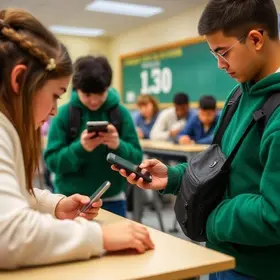
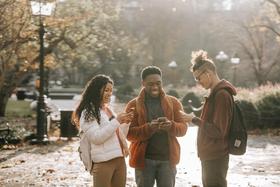
Explore the impact of social media on students in 2026, including academic, mental health, and safety insights for parents and educators.

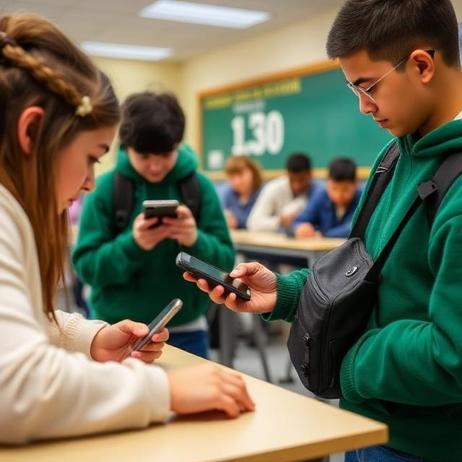
The impact of social media on students continues to evolve rapidly in 2026, shaping how young people communicate, learn, and perceive themselves. What began as a tool for connection has become deeply embedded in students’ academic lives, mental health, and social development. For parents and educators, understanding both the opportunities and risks is essential for guiding students toward healthy, productive use.

This updated analysis reflects recent trends, emerging research, and practical strategies relevant to today’s public school environment.

Social Media Usage Among Students in 2026

Social media is no longer limited to casual interaction. Students use platforms for:

  • Collaboration on school assignments
  • Accessing educational content and tutorials
  • Building personal identity and social networks
  • Following news, trends, and global events

According to recent findings from the Pew Research Center, over 90 percent of teenagers report using at least one social media platform regularly, with many engaging across multiple platforms daily.

In classrooms, this widespread usage intersects with broader discussions about digital learning, as explored in Technology in the Classroom: Pros and Cons.

Academic Impact: Productivity vs. Distraction

Positive Academic Effects

When used intentionally, social media can support learning in meaningful ways:

  • Access to educational resources: Students can find tutorials, study groups, and academic discussions instantly
  • Peer collaboration: Group chats and shared platforms facilitate teamwork outside school hours
  • Exposure to diverse perspectives: Students engage with ideas beyond their local environment

Platforms like YouTube and subject-specific forums often supplement classroom instruction, especially in subjects such as math,

. . .read more

Ultimate Back-to-School Checklist for Public Schools

Updated
|
Ultimate Back-to-School Checklist for Public Schools
A complete 2026 back-to-school checklist for public school families, covering supplies, health, routines, and digital readiness.

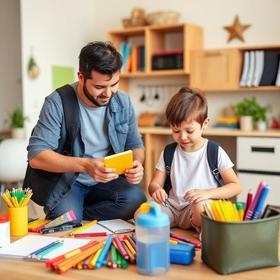
The start of a new academic year brings excitement, opportunity, and, for many families, a long to-do list. A well-organized back-to-school checklist for public school families can make the transition smoother, reduce stress, and set students up for success from day one.

In 2026, back-to-school preparation extends beyond notebooks and backpacks. Families must also consider digital readiness, updated health requirements, and evolving classroom expectations. This comprehensive guide breaks down everything parents and students need to prepare effectively for the school year ahead.

Why a Back-to-School Checklist Matters

Preparation plays a critical role in academic success. Students who begin the school year organized and confident are more likely to maintain strong study habits and positive engagement.

According to the U.S. Department of Education, family involvement and structured routines significantly improve student outcomes. A checklist ensures that nothing important is overlooked, from required documents to emotional readiness.

Essential School Supplies

While supply lists vary by district and grade level, most public school families will need a core set of materials.

Basic Supplies Checklist

  • Backpack (durable and age-appropriate)
  • Notebooks and folders
  • Pencils, pens, and erasers
  • Highlighters and markers
  • Glue sticks and scissors
  • Calculator (for middle and high school students)
  • Pencil case or organizer

Technology Supplies (Increasingly Essential in 2026)

Many public schools now integrate digital learning tools into daily instruction.

  • Laptop or tablet (if not school-issued)
  • Headphones or earbuds
  • Charging cables and portable charger
  • Stylus (for touchscreen devices)

Some districts provide devices, but families should confirm policies

. . .read more

Transitioning to High School: A Family Guide

Updated
|
Transitioning to High School: A Family Guide
Learn how to prepare for high school with practical tips for families before freshman year, from academics to social readiness.

Transitioning to high school is one of the most significant academic and social milestones in a student’s life. The shift from middle school to a larger, more complex environment brings new expectations, greater independence, and increased academic pressure. For families, thoughtful preparation before freshman year can make the difference between a stressful adjustment and a confident start.

This guide outlines what families should do before freshman year to ensure a smooth and successful transition to high school, with practical strategies grounded in current 2026 educational trends.

Why Transitioning to High School Matters More Than Ever

High school today is not just about earning a diploma. It is the foundation for college admissions, career exploration, and personal development. According to the National Center for Education Statistics, ninth grade performance remains one of the strongest predictors of high school graduation.

In 2026, the stakes are even higher due to:

  • Increased emphasis on GPA from the first semester
  • Expanded access to dual enrollment and career pathways
  • Greater use of digital platforms for coursework and communication
  • Rising awareness of student mental health and well-being

Preparing early helps students build confidence, avoid common pitfalls, and take advantage of opportunities from day one.

Understanding the Academic Shift

The academic expectations in high school differ significantly from middle school. Coursework becomes more rigorous, and students are expected to manage their time independently.

Key Differences Families Should Know

Middle School High School
Structured schedules Flexible, varied schedules
Frequent reminders Greater personal responsibility
General coursework Specialized subjects and electives
Lower GPA impact GPA
. . .read more

Education Funding in America (2026 Update)

Updated
|
Education Funding in America (2026 Update)
A 2026 update on education funding in America, including federal, state, and local trends, equity gaps, and what parents should know.

Education funding in America remains one of the most complex and debated aspects of the K–12 system. In 2026, the landscape continues to evolve, shaped by post-pandemic recovery efforts, inflation pressures, enrollment shifts, and ongoing debates about equity.

For parents and educators, understanding how public schools are funded is essential. Funding levels influence class size, teacher quality, extracurricular offerings, and overall student outcomes. This updated guide explains where school funding comes from, how it is distributed, and what has changed in 2026.

How Public Schools Are Funded

Public school funding in the United States comes from three primary sources:

Funding Source Share of Total Funding Key Characteristics
Local (property taxes) ~45% Varies widely by community wealth
State funding ~45% Designed to equalize disparities
Federal funding ~10% Targeted support for specific populations

According to the National Center for Education Statistics, this structure has remained relatively stable, but the balance between these sources continues to shift in response to economic and political changes.

What’s New in 2026

1. Stabilization After Pandemic-Era Funding

Federal pandemic relief funds, particularly those distributed through the Elementary and Secondary School Emergency Relief (ESSER) program, have largely expired. Schools that relied on these temporary funds are now adjusting budgets.

This has led to:

  • Reductions in temporary staff positions
  • Reevaluation of academic intervention programs
  • Increased pressure on state and local budgets

Districts that used funds for one-time investments, such as technology upgrades, are generally better positioned than those that expanded recurring costs.

2. Rising Costs and Inflation Pressures

Inflation has significantly impacted school budgets in

. . .read more

Recent Articles

Preventing Suicide in Schools: 2026 Guide for Educators
Learn updated 2026 strategies for preventing suicide in schools, including warning signs, intervention plans, and school-wide mental health support.
The Impact of Social Media on Students (2026 Update)
Explore the impact of social media on students in 2026, including academic, mental health, and safety insights for parents and educators.
Building a Summer Reading Plan That Keeps Kids Engaged
Learn how to build a summer reading plan that keeps kids engaged, motivated, and improving literacy skills throughout the break.

About Public Schools

OVERVIEW OF PUBLIC SCHOOLS
A comprehensive look at the U.S. public school system, including history, governing bodies, funding, and services. Compare private, public and charter schools. Learn more about Magnet school programs and get tips on choosing the right school for your child.
TYPES OF PUBLIC SCHOOLS
Explore the different types of public schools, from charter to language immersion, and learn about the unique pros and cons of each type. Is a co-ed or single sex classroom best for your child? Charter school or magnet? Read expert advice and get valuable tips on the various public education programs available and how to choose what works best for your family.
TECHNOLOGY ON CAMPUS
From eBooks to web cams, technology on campus continues to grow. Learn how the latest technology impacts your child’s education. Get tips on the best ways to integrate technology into education and stay abreast of the latest developments and challenges facing schools.
HEALTH AND NUTRITION AT SCHOOL
From vending machines to Jamie Oliver, bed bugs to tuberculosis, we provide an in-depth look at health and wellness in public schools. Help your kids stay healthy on campus and learn about current health epidemics, vaccination requirements, physical fitness programs and the latest food initiatives.
BACK TO SCHOOL
Learn more about preparing your child and wallet for a new school year. Inside you’ll find valuable advice to help your family prepare for the transition from swimsuits to school. While there is no tuition, public school education does not come without costs. Learn more about budgeting for a new school year and get great money saving tips.
STUDENT POPULATIONS
The latest trends, laws and resources for a variety of student populations. Every child has different needs, and this section offers helpful information for LGBT, special education, gifted, low-income, and minority students.