
Teaching

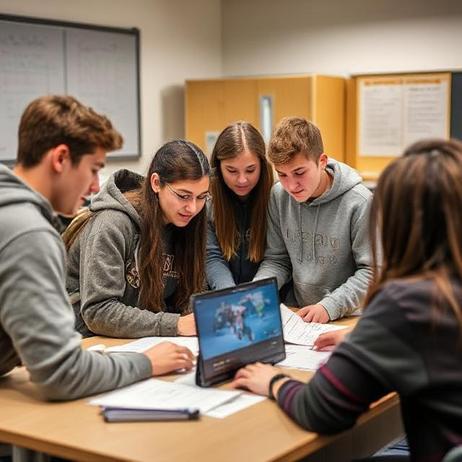
Personalized Learning in 2025: Revolutionizing Education

Updated
|
Personalized Learning in 2025: Revolutionizing Education
Explore how personalized learning is reshaping education in 2025—insights, policy, impact, and real-world models for students, parents, and educators.

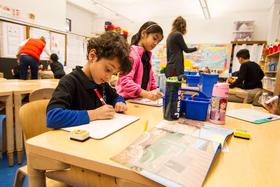
Personalized Learning: Revolutionizing Education for the 21st Century

In an era of rapid technological change, evolving student needs, and rising expectations for equity and relevance in schooling, personalized learning has moved from a promising trend to a central pillar of innovation in K-12 and beyond. As we step into 2025, educators, parents, and policymakers confront both unprecedented opportunity and complex challenges in realizing genuinely individualized learning at scale.

This article updates and expands upon earlier thinking, drawing on the latest data, policies, and real-world models to explore how personalized learning is transforming education today.

What Is Personalized Learning — and Why It Matters

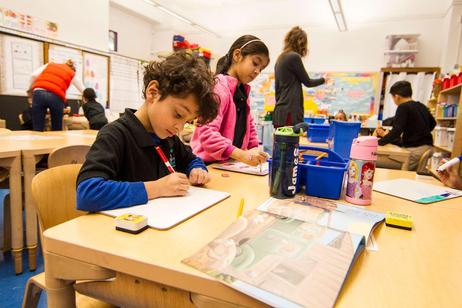
At its core, personalized learning refers to instructional approaches that tailor content, pace, and support to individual learners’ strengths, interests, and needs. Rather than a one-size-fits-all curriculum, it adapts to students’ performance in real time, often using data, assessments, and adaptive technologies to guide progress and interventions.

Key components include:

  • Student agency and voice, allowing learners to co-design their paths

  • Flexible pacing, ensuring mastery rather than seat time

  • Multiple modalities and pathways, from project-based work to micro-lessons

  • Continuous feedback loops and assessment, adjusting instruction as learning unfolds

Personalized learning aims not only to boost achievement but also to foster engagement, ownership, and a deeper alignment between schooling and individual potential.

The 2025 Landscape: Trends, Scale,
. . .read more

What Is a Magnet School? (2025 Guide)

Updated
|
What Is a Magnet School? (2025 Guide)
Explore what a magnet school is, how it works, and its benefits in 2025. Clear explanation for parents, students, and educators.

What Is a Magnet School?

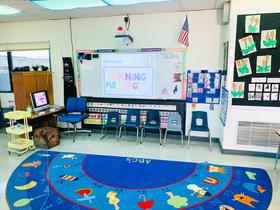
A magnet school is a public school of choice—typically within a school district or consortium—that offers a specialized curriculum, theme, or instructional model to attract students from diverse neighborhoods. The term “magnet” reflects the school’s design to pull students across traditional attendance boundaries based on interest or fit. Magnet schools remain part of the public education system—they are tuition-free—but they differ from neighborhood schools by offering distinct programming or pedagogical approaches.

Originally conceived in the 1970s as tools for voluntary desegregation, magnet schools today emphasize educational innovation, specialization, and choice.

In 2025, magnet schools serve roughly 3.5 million students nationwide, operating in around 4,340 institutions—about 4.9% of all public school students.

History and Purpose

Origins in Desegregation

Magnet schools emerged during the desegregation era of the 1970s as a voluntary alternative to court-ordered student reassignment. Districts sought to attract white students into racially diverse schools through special programs (e.g., arts, science, international studies) rather than resorting to mandatory busing.

Federal support began with the Magnet Schools Assistance Program (MSAP), which provided grants to districts implementing magnet programs aimed at reducing racial isolation.

Evolving Focus

Over time, many magnet programs have shifted emphasis—from desegregation as the primary goal toward raising achievement, retaining families in public districts, and offering curricular innovation. In some districts, magnet schools effectively compete with charter and

. . .read more

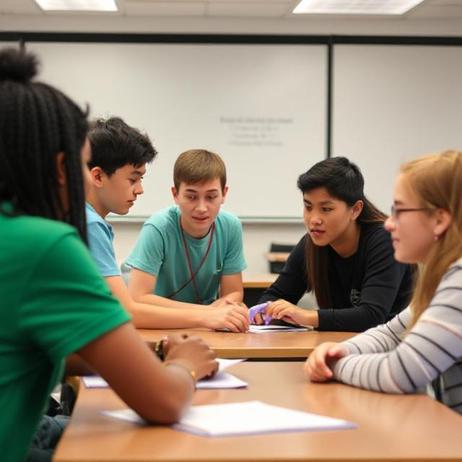
Cooperative Learning in 2025: Evidence, Best Practices & Challenges

Updated
|
Cooperative Learning in 2025: Evidence, Best Practices & Challenges
Explore cooperative learning in 2025—new data, updated practices, expert insights for educators and families.

Introduction

Cooperative learning—students working together in structured small groups toward shared goals—has long been a staple in progressive education. Over recent decades, its theoretical foundations, classroom practices, and outcomes have evolved. As of 2025, new research and technological shifts are reshaping how educators implement cooperative learning across K–12 and higher education classrooms.

In this refreshed review, we preserve the core structure and clarity of earlier presentations on cooperative learning, while weaving in the latest evidence, policy trends, and real-world examples. Our goal: to support parents, students, and educators in understanding how cooperative learning works today and how to leverage it for deeper engagement and achievement.

What Is Cooperative Learning?

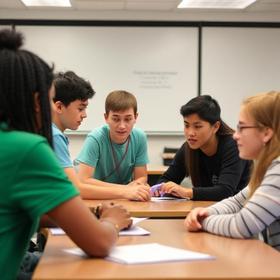
At its heart, cooperative learning is more than just putting students into groups and having them “work together.” It is a deliberately structured instructional strategy in which a teacher designs learning tasks so that students must cooperate, depend on one another, and hold themselves individually accountable.

Johnson, Johnson, and Smith (1998, 2009) popularized a framework often taught in educator preparation programs, which emphasizes five essential elements of effective cooperative learning:

  1. Positive interdependence – students perceive that they sink or swim together.

  2. Individual accountability – each student contributes and is assessed on their contribution.

  3. Promotive (face-to-face) interaction – structured interactions that require dialogue, explanation, and reflection.

  4. Social skills

. . .read more

Career Readiness in Public Schools Beyond Tests

Updated
|
Career Readiness in Public Schools Beyond Tests
How public schools can teach career readiness skills beyond standardized tests—preparing students for real-world success.

Career Readiness in Public Schools: Teaching Skills Beyond Standardized Tests

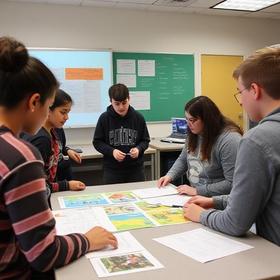
In 2025, discussions about education reform increasingly emphasize that career readiness must extend beyond test scores if public schools are to truly prepare students for life after graduation. For many students, success hinges not only on algebra or reading skills, but also on communication, critical thinking, adaptability, and real-world problem solving. To close the “skills gap,” public schools must adopt new approaches and metrics—and equip educators, students, and communities for a future that values more than standardized test performance.

This article explores why career readiness matters, what skills matter most, how public schools can integrate them, and how to evaluate success beyond test results.

Why Move Beyond Standardized Testing?

The Limits of Tests as a Sole Metric

Standardized tests remain deeply embedded in public school accountability systems. Yet as critics and reformers note, overreliance on such tests distorts instruction, narrows curricula, and fails to reflect the full range of student readiness. Education Week The problem is not testing itself, but making tests the final arbiter of success—even when they capture only a fraction of what students must do in life or work.

The Skills Gap & Employer Expectations

Employers routinely report that recent graduates lack key “employability” or “career readiness” skills—communication, teamwork, initiative, digital literacy, self-management. icevonline.com Schools that focus narrowly on test preparation risk leaving students unprepared for their first job or further

. . .read more

Making the Most of Parent-Teacher Conferences

Updated
|
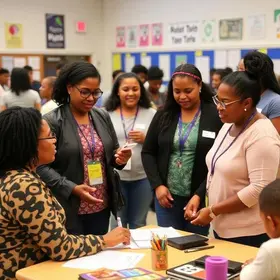
Making the Most of Parent-Teacher Conferences
A practical guide for parents and educators to maximize impact during parent-teacher conferences in 2025

Parent-Teacher Conferences: How to Make the Most of Them

Parent-teacher conferences remain one of the most vital bridges between home and school. Done well, they can foster collaboration, deepen mutual understanding, and ultimately support a student’s academic and social-emotional growth. In 2025, as more schools integrate flexible meeting formats and data tools, making the most of these conversations requires intentional planning, respectful dialogue, and follow-through. Below is a refined, actionable guide for parents, teachers, and school leaders to maximize the value of parent-teacher conferences.

Why Parent-Teacher Conferences Matter (Especially Now)

Research confirms what many educators and parents intuitively know: when families and teachers partner, outcomes improve. Students whose parents engage in regular, meaningful school communication tend to earn higher grades, be more consistent in attendance, and exhibit stronger motivation and behavior. Child Mind Institute

In recent years, educators have argued that traditional one-sided conference models limit true collaboration and often center the teacher as the sole “expert”.To counterbalance this, conference design is evolving: some schools now use academic parent-teacher teams (APTT) or small-group sessions to build shared insight, then follow up with individual meetings. talkingpts.org

Given tight schedules and multiple demands on teachers’ time, maximizing these meetings is more important than ever. Here’s how to do it right.

Before the Conference: Prepare Thoughtfully 1. Start early and coordinate schedules

Most schools schedule conferences in advance, but parents should block off time proactively.

. . .read more

Recent Articles

AI Report Cards: Should Schools Evaluate AI Use?
Explore whether schools should assess student AI use, the benefits, risks, and what responsible AI report cards could look like in 2026.
The Parent’s Guide to School Cell Phone Bans in 2026
Learn how school cell phone bans work in 2026, why districts are adopting them, and what parents should expect.
Parental Involvement in Public Schools: 2026 Update
Explore the latest 2026 trends, research, and strategies shaping parental involvement in public schools and student success.