Public school transportation systems are among the most complex logistical operations in education. Each day, districts coordinate buses, drivers, routes, and schedules to ensure millions of students arrive at school safely and on time. Understanding how public schools coordinate transportation systems provides important context for families evaluating school quality, accessibility, and district operations.
In 2026, these systems are evolving rapidly. Districts are incorporating data analytics, artificial intelligence, and electric vehicles while balancing tight budgets and growing expectations around safety and equity. What appears to families as a simple bus ride is, in reality, a carefully orchestrated system requiring constant coordination and oversight.
The Structure of Public School Transportation Systems
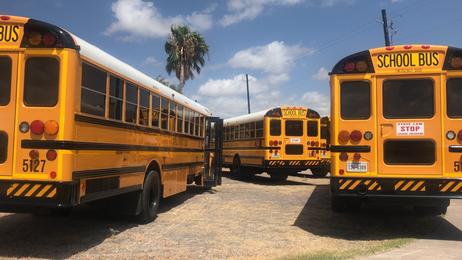
Transportation departments operate as a core function within school districts. Depending on district size, they may manage hundreds of buses and serve thousands of students daily.
Their responsibilities include:
- Designing and updating bus routes
- Hiring, training, and scheduling drivers
- Maintaining vehicles and ensuring safety compliance
- Communicating with schools and families
- Managing budgets and vendor relationships
These operations are shaped by district funding priorities. Families seeking a deeper understanding of how transportation fits into broader spending decisions can explore how districts allocate resources in Public School funding, which explains the competing demands that influence operational services like transportation.
Eligibility for transportation services is typically determined by state guidelines and local policy, often based on distance from school or safety considerations.
Route Planning and Optimization
At the heart of how public schools coordinate transportation systems is route planning. Districts must balance efficiency with reliability, ensuring students are picked up and dropped off within reasonable timeframes.
Route planning involves analyzing:
- Student home addresses and enrollment patterns
- School start and dismissal times
- Bus capacity and availability
- Traffic flow and infrastructure
- Special education transportation requirements
Modern districts rely on routing software that uses geographic information systems to map and optimize routes. Since 2024, many have incorporated AI-driven tools that can simulate multiple routing scenarios and adjust routes in real time.
These innovations are particularly important in districts with open enrollment or school choice programs. For example, transportation planning becomes more complex when students attend schools outside their immediate neighborhood, a concept explained in what are magnet schools.
Fleet Management and Maintenance
A safe and reliable fleet is essential to any transportation system. School buses must meet strict federal safety standards, with guidelines outlined by the National Highway Traffic Safety Administration at https://www.nhtsa.gov/road-safety/school-bus-safety.
Transportation departments are responsible for:
- Conducting routine inspections
- Scheduling preventive maintenance
- Tracking mileage and fuel consumption
- Planning long-term vehicle replacement
In recent years, districts have accelerated the transition to electric buses. This shift is supported by federal funding initiatives such as the Environmental Protection Agency’s Clean School Bus Program, which provides grants and rebates to help districts modernize fleets: https://www.epa.gov/cleanschoolbus.
Electric buses offer environmental benefits and lower operating costs over time, but they also require infrastructure investments and staff training.
Driver Recruitment and Training
Even the most advanced transportation systems depend on qualified drivers. Driver shortages have remained a persistent challenge, particularly in suburban and rural districts.
To address this, districts have implemented strategies such as:
- Increasing wages and offering signing bonuses
- Providing flexible schedules for part-time drivers
- Expanding training and certification programs
- Partnering with local workforce organizations
Driver training has also evolved. In addition to operating vehicles safely, drivers are now trained in student behavior management, emergency response, and communication protocols.
These expanded responsibilities reflect broader challenges in school staffing. As discussed in Teacher Shortage Solutions That Are Working in 2026, workforce shortages across education systems can have ripple effects on transportation reliability and scheduling.
Safety Protocols and Compliance
Safety is the foundation of all public school transportation systems. Districts must comply with detailed regulations covering vehicle standards, driver qualifications, and operational procedures.
Common safety measures include:
- Regular vehicle inspections and maintenance checks
- Background screenings and drug testing for drivers
- Emergency evacuation drills for students
- Installation of stop-arm cameras and crossing signals
Technology has further strengthened safety protocols. GPS tracking systems allow districts to monitor bus locations in real time, while onboard cameras help document incidents and improve accountability.
National data also plays a role in shaping policy and practice. The National Center for Education Statistics provides transportation-related insights that districts use to benchmark performance and access trends: https://nces.ed.gov/fastfacts/display.asp?id=67
Technology Integration in 2026
Technology is now central to how public schools coordinate transportation systems, enabling more efficient and responsive operations.
Real-Time Communication
Many districts use mobile apps that allow parents to track bus locations and receive alerts about delays or route changes.
Data-Driven Decision Making
Transportation departments analyze data on route efficiency, fuel usage, and on-time performance to refine operations.
Artificial Intelligence
AI tools assist with route optimization, predictive maintenance, and incident reporting, reducing manual workload and improving accuracy.
Smart and Electric Buses
Modern buses are equipped with telematics systems that monitor performance, energy consumption, and maintenance needs in real time.
These advancements are helping districts respond more effectively to changing conditions and improve service reliability.
Equity and Access Considerations
Transportation is a critical factor in ensuring equitable access to education. Without reliable transportation, students may face barriers to attendance, participation, and academic success.
Districts must address the needs of:
- Students in rural or geographically isolated areas
- Students with disabilities requiring specialized transport
- Students experiencing homelessness
- Participants in school choice or magnet programs
Federal law requires districts to provide transportation for certain vulnerable populations. Guidance under the McKinney-Vento Homeless Assistance Act ensures that students experiencing homelessness can maintain school stability: https://nche.ed.gov/mckinney-vento/
Equity considerations also influence how routes are designed, with districts aiming to minimize disparities in travel time and access.
Budgeting and Funding Challenges
Transportation represents one of the largest non-instructional expenses for school districts. Costs include fuel or electricity, vehicle procurement, maintenance, labor, and technology systems.
Funding comes from a combination of local taxes, state allocations, and federal programs. However, rising operational costs have placed increasing pressure on district budgets.
To manage these challenges, districts may:
- Redesign routes to improve efficiency
- Adjust school start times to maximize bus usage
- Share transportation services with neighboring districts
- Contract with private transportation providers
Balancing cost efficiency with service quality requires careful planning and ongoing evaluation.
Coordination with School Schedules
Transportation systems must align closely with school schedules. Many districts stagger start and dismissal times across grade levels to optimize bus usage.
This coordination allows a single bus to serve multiple schools, reducing the total number of vehicles and drivers needed.
However, schedule changes can create logistical challenges. For example, efforts to adopt later start times for middle and high school students, based on sleep research, often require districts to redesign entire transportation systems.
Emergency Planning and Operational Flexibility
Transportation departments must be prepared to respond quickly to disruptions such as severe weather, road closures, or vehicle breakdowns.
Effective contingency planning includes:
- Backup routes and alternate pickup locations
- Substitute drivers and reserve vehicles
- Clear communication systems for families and staff
In recent years, districts have strengthened these systems, improving their ability to maintain service continuity during emergencies.
A Look Ahead
Public school transportation continues to evolve alongside broader changes in education. Electrification, AI integration, and>Understanding how public schools coordinate transportation systems reveals the complexity behind a service many families rely on daily. It also highlights the importance of continued investment in safe, efficient, and equitable transportation.
Conclusion
How public schools coordinate transportation systems reflects a careful balance of logistics, safety, funding, and equity. From route optimization and fleet management to technology integration and compliance, districts must manage a highly dynamic system. As innovation continues to reshape transportation, its role in ensuring consistent access to education remains essential for students and families alike.