Updated
|
Year-Round School Calendars: Pros, Cons, Research
Explore year-round school calendars, including benefits, drawbacks, and what academic research says about student outcomes.

Year-round school calendars have gained renewed attention as districts look for ways to improve student outcomes, reduce learning loss, and make better use of school facilities. Unlike traditional academic calendars with long summer breaks, year-round schooling redistributes instructional time across the entire year, typically through shorter, more frequent breaks.

For families exploring public school options, understanding how year-round schedules work and whether they improve academic performance is essential. This guide examines the structure, advantages, drawbacks, and what current academic research reveals about their effectiveness.

What Is a Year-Round School Calendar?

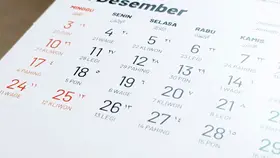
A year-round calendar does not increase the total number of school days. Instead, it reorganizes them.

Most public schools in the United States operate on a 180-day calendar. Year-round schools maintain that same number but divide it differently. A common model is the 45-15 schedule:

  • 45 days of instruction
  • 15 days of break
  • Repeated throughout the year

Some districts also use multi-track systems, where different groups of students attend school on staggered schedules. This approach helps address overcrowding without building new facilities.

Pros of Year-Round School Calendars

Reduced Summer Learning Loss

One of the most widely cited benefits is the reduction of summer learning loss, often called the “summer slide.”

Research and policy overviews highlight how shorter breaks can help reduce learning regression and support knowledge retention.

More Consistent Learning Pace

Frequent breaks allow students and teachers to recharge without losing academic momentum. This can lead to:

  • Improved focus during instructional periods
  • Reduced burnout
  • Better
. . .read more

Multilingual Learner Growth Models & Accountability

Updated
|
Multilingual Learner Growth Models & Accountability
Learn how multilingual learner growth models are reshaping school accountability systems and what it means for public schools in 2026.

As public schools across the United States continue to evolve, one of the most significant shifts in 2026 is the growing emphasis on multilingual learner growth models in accountability systems. With multilingual learners, often referred to as English Language Learners (ELLs), representing a rapidly expanding student population, states are refining how progress is measured and reported.

These changes are not just technical adjustments. They signal a broader move toward more equitable evaluation systems that better reflect student progress over time rather than relying solely on proficiency benchmarks.

Understanding Multilingual Learner Growth Models

Traditional accountability systems often focused on whether students reached a fixed level of English proficiency within a set timeframe. However, this approach has been widely criticized for failing to capture incremental progress, especially for students entering school with limited English skills.

Multilingual learner growth models shift the focus to:

  • Year-over-year language development
  • Academic progress alongside language acquisition
  • Individualized growth trajectories

Rather than asking whether a student has “arrived,” these models evaluate how far a student has progressed.

According to the U.S. Department of Education’s Office of English Language Acquisition, this approach provides a more accurate and fair assessment of both student performance and school effectiveness.

Why Accountability Systems Are Changing

Several factors are driving these changes in accountability frameworks:

1. Federal Flexibility Under ESSA

The Every Student Succeeds Act (ESSA) gave states greater autonomy in designing accountability systems. Many states are now incorporating English language proficiency growth as a key indicator.

The Every Student

. . .read more

School-Based Health Clinics: Funding, Billing, and Student Access

Updated
|
School-Based Health Clinics: Funding, Billing, and Student Access
Learn how school-based health clinics are funded, how billing works, and how students access care in public schools.

School-based health clinics are becoming an increasingly important part of the public education system. As schools take on a broader role in supporting student well-being, these clinics help bridge gaps in healthcare access, particularly for underserved communities. Understanding how school-based health clinics are funded, how billing works, and how students access services is essential for parents and educators navigating today’s public school landscape.

In many ways, these clinics reflect the same equity-driven goals that shape broader discussions about how public school funding works, ensuring that all students are positioned to succeed academically and physically.

What Are School-Based Health Clinics?

School-based health clinics, often referred to as SBHCs, are healthcare facilities located on or near school campuses. They provide a range of services, including:

  • Primary care, such as check-ups and immunizations
  • Mental health counseling
  • Chronic disease management, including asthma and diabetes care
  • Preventive services, including screenings and health education

These clinics are designed to reduce barriers to care, including transportation challenges, cost concerns, and scheduling conflicts.

How School-Based Health Clinics Are Funded

Funding for SBHCs is typically a blend of public and private sources. This diversified model helps sustain services but can also create variability between districts.

Federal and State Funding

Many clinics receive support through federal programs such as Medicaid and grants from agencies like the Health Resources and Services Administration (HRSA). State governments may also allocate funds, particularly in states prioritizing school health infrastructure.

According to the HRSA overview of school-based health centers,

. . .read more

Outdoor Learning in Urban Schools: Forest School Programs

Updated
|
Outdoor Learning in Urban Schools: Forest School Programs
Explore how urban districts adopt outdoor learning and forest school programs to boost student engagement, well-being, and academic success.

Outdoor learning and forest school programs are no longer limited to rural campuses. Across the country, urban districts are integrating nature-based education into their curricula, redefining what learning can look like in city environments. As interest in holistic education grows in 2026, public schools are increasingly embracing these models to support student well-being, engagement, and academic development.

This shift reflects a broader recognition that meaningful learning need not be confined to traditional classrooms. Even in densely populated areas, schools are finding creative ways to connect students with nature. For families exploring broader public school innovations, resources like Public School Review provide helpful context on evolving educational models.

What Are Forest School Programs?

Forest schools originated in Northern Europe and emphasize child-led, experiential learning in natural settings. While traditionally associated with wooded areas, the core principles are adaptable to urban contexts.

Key characteristics include:

  • Regular outdoor sessions in green spaces
  • Inquiry-based, student-driven activities
  • Emphasis on problem-solving and resilience
  • Integration of social-emotional learning
  • Minimal reliance on rigid lesson structures

In urban districts, forest school programs often take place in city parks, school gardens, or repurposed outdoor spaces.

Why Urban Districts Are Adopting Outdoor Learning

Urban educators face unique challenges, including limited space, high student density, and increased academic pressures. Outdoor learning offers several benefits that directly address these issues.

Improved Student Engagement

Students who struggle in traditional classrooms often thrive in outdoor environments. Hands-on activities, movement, and real-world exploration can re-engage learners who may feel disconnected from conventional instruction. Schools highlighted in

. . .read more

NYC Schools Still Most Segregated in 2026

Updated
|
NYC Schools Still Most Segregated in 2026
NYC schools remain among the most segregated in 2026. Explore causes, data, and what families should know about equity and access.

Despite years of policy discussions and reform efforts, New York City’s public school system remains one of the most segregated in the United States in 2026. While the city is among the most diverse in the world, its schools continue to reflect stark racial and socioeconomic divides that shape educational outcomes.

For parents, educators, and policymakers, understanding why NYC schools are still highly segregated is essential to navigating school choice, advocating for equity, and evaluating future reforms.

A Persistent Pattern of Segregation

New York City’s segregation is not new, but recent data confirms that progress has been limited. According to ongoing research from the UCLA Civil Rights Project, NYC consistently ranks among the most segregated large school districts in the country, particularly for Black and Latino students.

Several patterns continue to define the system in 2026:

  • Many schools are overwhelmingly composed of a single racial or ethnic group
  • White and Asian students are disproportionately represented in selective and specialized programs
  • High-poverty schools remain concentrated in specific neighborhoods
  • Academic outcomes often correlate strongly with school demographics

The result is not just separation, but unequal access to resources, experienced teachers, and advanced coursework.

What the Latest Data Shows

Recent reports from the New York City Department of Education highlight how deeply entrenched these disparities remain.

Key Trends in 2026

Indicator

Reality in NYC Schools

Racial Isolation

Over half of Black and Latino students attend schools that are more than 80% non-white

Economic Segregation

High-poverty schools cluster in specific boroughs and

. . .read more

Recent Articles

Preventing Suicide in Schools: 2026 Guide for Educators
Learn updated 2026 strategies for preventing suicide in schools, including warning signs, intervention plans, and school-wide mental health support.
The Impact of Social Media on Students (2026 Update)
Explore the impact of social media on students in 2026, including academic, mental health, and safety insights for parents and educators.
Building a Summer Reading Plan That Keeps Kids Engaged
Learn how to build a summer reading plan that keeps kids engaged, motivated, and improving literacy skills throughout the break.