Technology on Campus

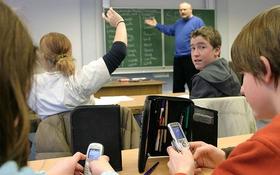
From eBooks to web cams, technology on campus continues to grow. Learn how the latest technology impacts your child’s education. Get tips on the best ways to integrate technology into education and stay abreast of the latest developments and challenges facing schools.

View the most popular articles in Technology on Campus:

How Public Schools Coordinate Transportation Systems

Updated
|
How Public Schools Coordinate Transportation Systems
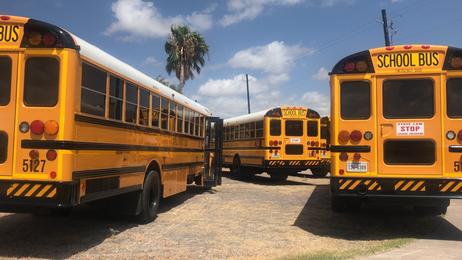
Learn how public schools coordinate transportation systems, from routing and safety to technology and funding in 2026.

Public school transportation systems are among the most complex logistical operations in education. Each day, districts coordinate buses, drivers, routes, and schedules to ensure millions of students arrive at school safely and on time. Understanding how public schools coordinate transportation systems provides important context for families evaluating school quality, accessibility, and district operations.

In 2026, these systems are evolving rapidly. Districts are incorporating data analytics, artificial intelligence, and electric vehicles while balancing tight budgets and growing expectations around safety and equity. What appears to families as a simple bus ride is, in reality, a carefully orchestrated system requiring constant coordination and oversight.

The Structure of Public School Transportation Systems

Transportation departments operate as a core function within school districts. Depending on district size, they may manage hundreds of buses and serve thousands of students daily.

Their responsibilities include:

  • Designing and updating bus routes
  • Hiring, training, and scheduling drivers
  • Maintaining vehicles and ensuring safety compliance
  • Communicating with schools and families
  • Managing budgets and vendor relationships

These operations are shaped by district funding priorities. Families seeking a deeper understanding of how transportation fits into broader spending decisions can explore how districts allocate resources in Public School funding, which explains the competing demands that influence operational services like transportation.

Eligibility for transportation services is typically determined by state guidelines and local policy, often based on distance from school or safety considerations.

Route Planning and Optimization

At the heart of how public schools coordinate transportation systems is route planning. Districts must balance efficiency with

. . .read more

The Impact of Social Media on Students (2026 Update)

Updated
|
The Impact of Social Media on Students (2026 Update)
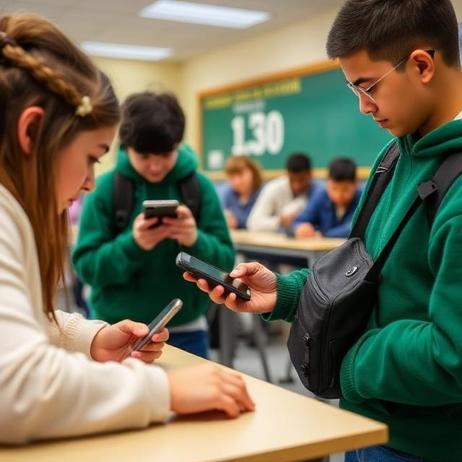
Explore the impact of social media on students in 2026, including academic, mental health, and safety insights for parents and educators.

The impact of social media on students continues to evolve rapidly in 2026, shaping how young people communicate, learn, and perceive themselves. What began as a tool for connection has become deeply embedded in students’ academic lives, mental health, and social development. For parents and educators, understanding both the opportunities and risks is essential for guiding students toward healthy, productive use.

This updated analysis reflects recent trends, emerging research, and practical strategies relevant to today’s public school environment.

Social Media Usage Among Students in 2026

Social media is no longer limited to casual interaction. Students use platforms for:

  • Collaboration on school assignments
  • Accessing educational content and tutorials
  • Building personal identity and social networks
  • Following news, trends, and global events

According to recent findings from the Pew Research Center, over 90 percent of teenagers report using at least one social media platform regularly, with many engaging across multiple platforms daily.

In classrooms, this widespread usage intersects with broader discussions about digital learning, as explored in Technology in the Classroom: Pros and Cons.

Academic Impact: Productivity vs. Distraction

Positive Academic Effects

When used intentionally, social media can support learning in meaningful ways:

  • Access to educational resources: Students can find tutorials, study groups, and academic discussions instantly
  • Peer collaboration: Group chats and shared platforms facilitate teamwork outside school hours
  • Exposure to diverse perspectives: Students engage with ideas beyond their local environment

Platforms like YouTube and subject-specific forums often supplement classroom instruction, especially in subjects such as math,

. . .read more

How Technology Transforms Education in 2025

Updated
|
How Technology Transforms Education in 2025
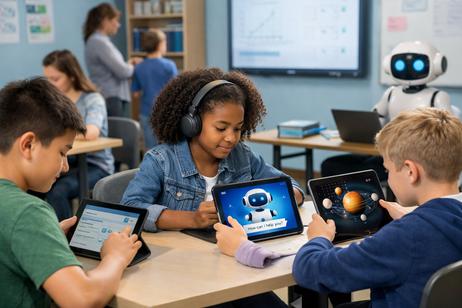
Explore how technology shapes learning today, with updated data, policy context, trends, and real-world implications for students, educators, and families.

The Role of Technology in Education

Technology has reshaped education over the past decade, moving from supplemental tools to central components of teaching and learning. In 2025, digital tools, platforms, and artificial intelligence (AI) are influencing how educational content is delivered, accessed, and assessed for students from kindergarten through higher education. This article explores current trends, evidence, policy considerations, and the implications for parents, students, educators, and policymakers.

The Evolution of Educational Technology

Education technology, or EdTech, refers to the digital systems used to support instruction, learning, assessment, and administration. Initially limited to basic computer labs and projectors, technology in education now includes cloud-based platforms, adaptive learning systems, virtual and augmented reality, and generative AI tools.

The global EdTech market continues to expand rapidly, underscored by sustained investment and adoption. In 2025, the global market was valued at approximately $233.8 billion, with projections suggesting continued growth into the next decade. This expansion reflects increasing demand for online learning, mobile apps, and AI-enabled solutions in schools and universities around the world. Global Growth Insights

How Students and Teachers Use Technology

Classroom and remote learning environments now rely on a diverse ecosystem of technologies. A large majority of educators use digital tools in daily instruction, while students engage with technology for collaboration, research, and assessment.

Recent data indicate that nearly all teachers incorporate some form of digital resource in their classrooms, with many employing interactive lessons and platforms that

. . .read more

Digital Learning and Public Schools: What Parents Need to Know

Updated
|
Digital Learning and Public Schools: What Parents Need to Know
A comprehensive 2025 guide to digital learning and public schools, helping parents understand tools, benefits, risks, and effective school practices.

Digital Learning and Public Schools: What Parents Need to Know

Digital learning and public schools are now deeply interconnected. Since 2020, districts have expanded technology investments, added new instructional models, and integrated online tools across grade levels. In 2025, digital learning and public schools continue to evolve at a rapid pace, creating both opportunities and challenges for families.

This guide explains what parents need to know about digital learning and public schools today, including how schools use technology, the academic impact, equity issues, and practical questions to ask administrators. The article incorporates insights from recent district initiatives, ongoing research, and interviews with public school technology leaders.

How Digital Learning Shapes Today’s Public Schools

Digital learning and public schools intersect in several ways. Schools incorporate technology into instruction, assessment, communication, and support services. Understanding this landscape helps parents better evaluate their district’s digital strategy.

Common Components of Digital Learning

Public schools typically rely on four pillars of digital learning.

1. Classroom Technology Tools

Digital tools for instruction vary by district, but commonly include:

  • Learning management systems, such as Google Classroom or Canvas

  • Adaptive learning platforms for math and literacy

  • Virtual science labs and simulations

  • Digital textbooks

  • Classroom devices like Chromebooks or tablets

For parents exploring how schools integrate digital methods,

. . .read more

Cybersecurity in U.S. Public Schools 2025: Risks, Policies & Protection

Updated
|
Cybersecurity in U.S. Public Schools 2025: Risks, Policies & Protection
Explore the 2025 state of cybersecurity in U.S. public schools, updated data, expert insights, policy moves, and how schools and families can stay safe.

Cybersecurity in U.S. Public Schools: 2025 Update

Introduction
In today’s digitally connected education environment, cybersecurity in public schools is now a core facet of school safety and operational integrity. As education systems across the country continue to adopt cloud tools, remote-learning platforms, and large student-data systems, the risk of malicious attacks, data breaches and operational disruption has grown significantly. This article refreshes our earlier discussion of cybersecurity in public schools with the most current data, policy developments and expert insights for 2025, offering practical guidance for parents, students and educators alike.

The Threat Landscape in 2025
The data is stark. A recent report by Center for Internet Security (CIS) found that 82 % of K-12 organizations experienced a cyber incident during an 18-month period ending in early 2025. Other research by the RAND Corporation found that across the 2023–2024 and 2024–2025 school years, 60 % of school principals reported at least one cyber incident in their school — including 45 % who cited business-email compromise or phishing. Another global-education-sector survey indicated that schools averaged 4,388 cyberattacks per organisation per week in Q2 2025, a +31 % year-over-year increase.

What does this look like on the ground? Schools report incidents ranging from phishing, ransomware, student or staff email compromise, to denial-of-service attacks and data breaches of student records. These attacks threaten student privacy, disrupt online learning and require costly remediation. For example, ransomware in the education sector often leads to

. . .read more

Recent Articles

Helping Children Overcome First-Week School Anxiety
Learn practical strategies to help children overcome first-week school anxiety, with expert-backed tips for parents and educators.
Public School Immunization Requirements 2026–2027
Learn public school immunization and health requirements for 2026–2027, including vaccines, exemptions, and state policy updates.
Public Schools in a Minute: 2026 Snapshot Guide
A clear 2026 snapshot of public schools in the U.S., including enrollment, funding, trends, and what families should know.